
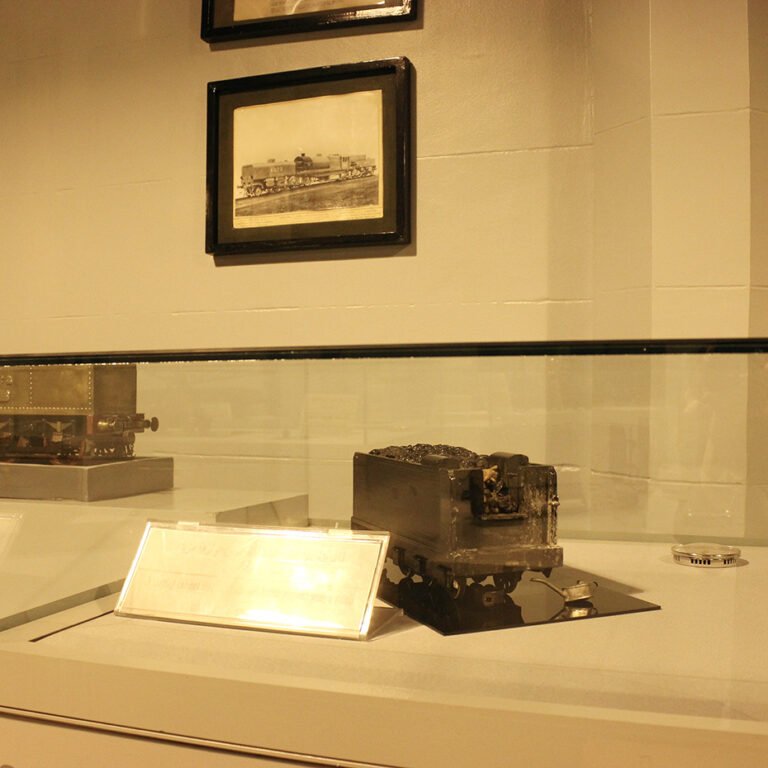
Coal, and the steam generated from it, was the energy that ran the railway for more than 150 years until it was replaced by either diesel or electricity. Therefore, obtaining, storing, and using it appropriately was a complex process that went through many stages. In the beginning, the train line was formed gradually piece by piece, and this made each station the beginning and end of the line at some moment and for many years. Because of this, each station had its own coal warehouse to fuel the trains, and the employees in each station were responsible for it. This resource was the most expensive in the railway’s bill, because it was imported from Britain, while labor, especially Egyptian, was cheap. Therefore, it was necessary to rationalize its consumption and limit its theft, especially in light of the debt crisis and the subsequent Debt Commission in Egypt. Consequently, the decision was to establish main warehouses at the Cairo and Alexandria stations and cancel all other warehouses. Also, central workshops for train maintenance were established in these places, turning them into important industrial and labor centers in their cities.
Coal was also the reason for setting train schedules. Trains consumed coal heavily while preparing for movement more than the movement itself, so stopping and waiting was very expensive for them. From here, schedules were necessary so that trains wouldn’t stop and consume more coal. But the irony was that coal was also a reason for not committing to these schedules. This was because the successive managements of the railway decided to save coal by loading carriages with the largest load, on locomotives less capable of carrying them, to solve the problem of light loads, especially during the Debt Commission period. Therefore, trains moved very slowly compared to their counterparts in Europe, but they consumed less coal. But in the end, the importance of coal in shaping the railway, its stations, and its schedules began to decline over time, until it was completely replaced in the mid-20th century by another fossil fuel, diesel, which became synonymous with the word “train”.
References:
On Time: Technology and Temporality in Modern Egypt