
Egyptian Railway Museum Tales
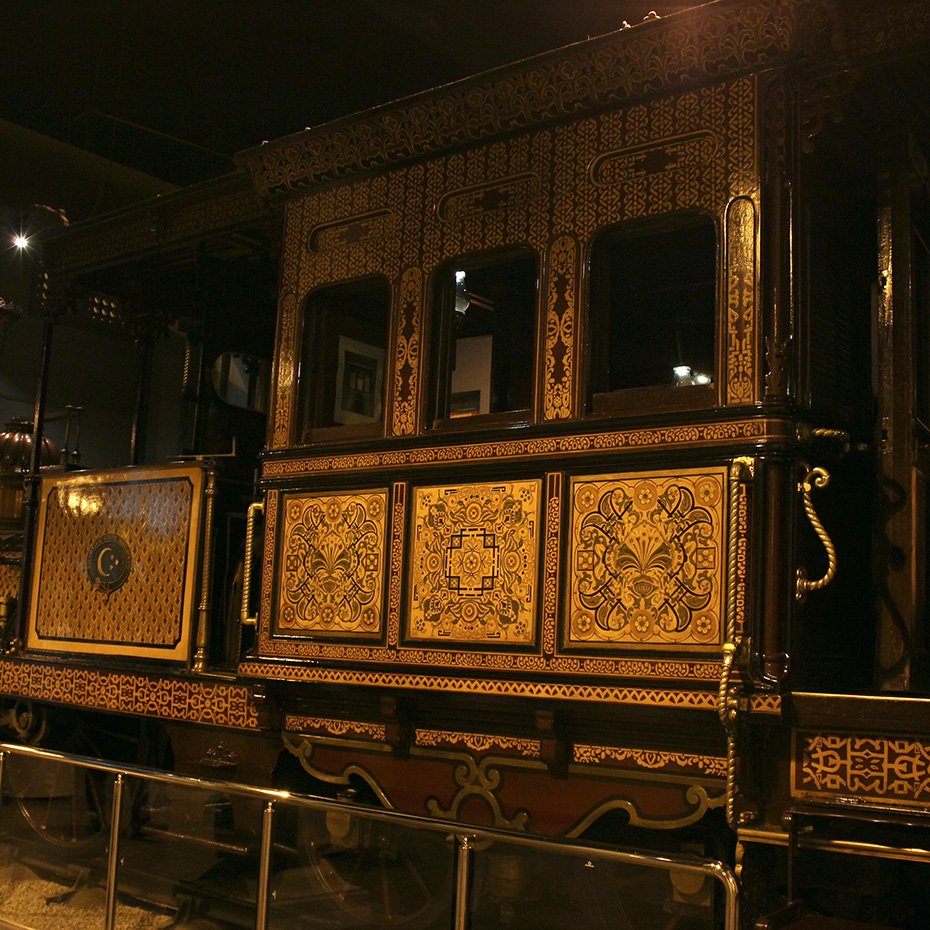
The tales around the museum trace how trains shaped Egypt’s modern identity—from 19th-century steam engines to royal carriages—revealing the railway as both a symbol of progress and a stage for everyday struggles and dreams. They highlight the unseen labor and resilience of workers and engineers who built and maintained the network, and their anti-colonial resistance during the British occupation, when railways became spaces of solidarity and defiance.
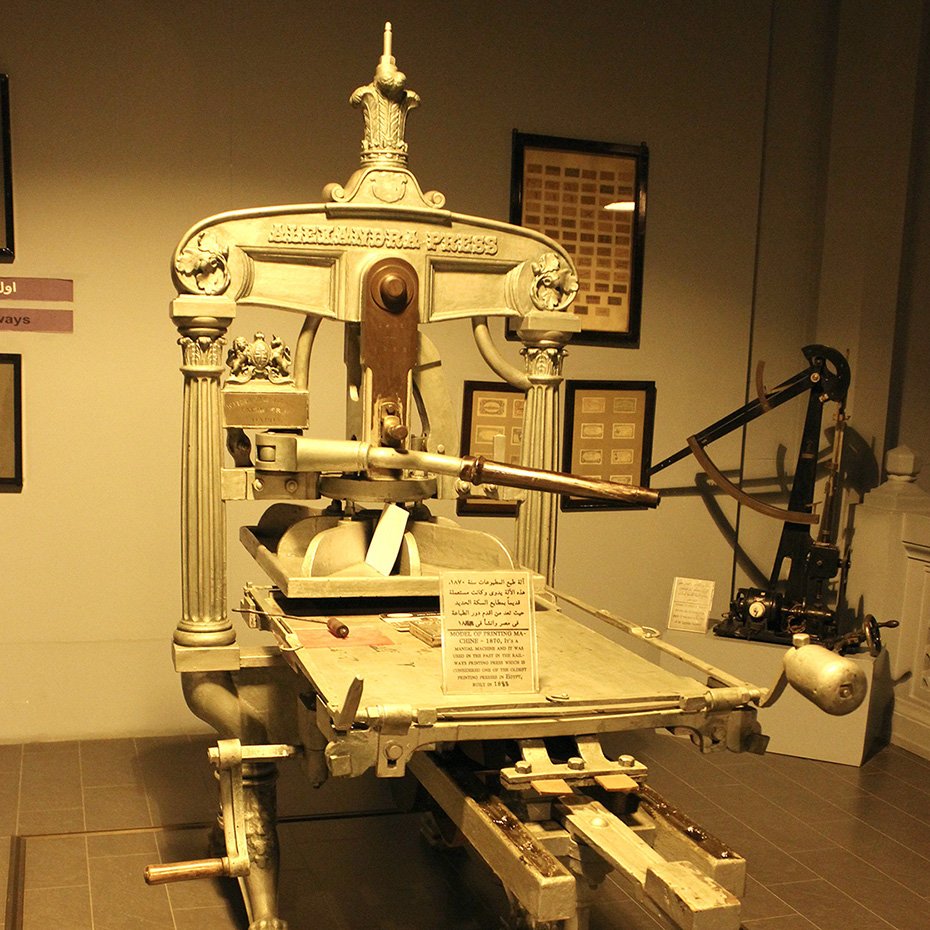
Other tales explore how railways reshaped Egyptian cities, bridging class divides and connecting rural and urban life, while the Railway Print House, one of Egypt’s earliest state presses, spread technical and administrative knowledge, empowering local engineers and administrators. The narratives also reflect the railway’s enduring presence in cinema, music, and popular memory, and how the sound of the train became part of Egypt’s emotional and social rhythm.
Through these tales, the museum emerges as a living archive of movement, labor, resistance, and imagination, inviting visitors to reflect on how technology has shaped—and continues to shape—the ways Egyptians travel, work, and dream.
The tales around the museum trace how trains shaped Egypt’s modern identity—from 19th-century steam engines to royal carriages—revealing the railway as both a symbol of progress and a stage for everyday struggles and dreams. They highlight the unseen labor and resilience of workers and engineers who built and maintained the network, and their anti-colonial resistance during the British occupation, when railways became spaces of solidarity and defiance.
Other tales explore how railways reshaped Egyptian cities, bridging class divides and connecting rural and urban life, while the Railway Print House, one of Egypt’s earliest state presses, spread technical and administrative knowledge, empowering local engineers and administrators. The narratives also reflect the railway’s enduring presence in cinema, music, and popular memory, and how the sound of the train became part of Egypt’s emotional and social rhythm.
Through these tales, the museum emerges as a living archive of movement, labor, resistance, and imagination, inviting visitors to reflect on how technology has shaped—and continues to shape—the ways Egyptians travel, work, and dream.
The Egyptian Railway Museum
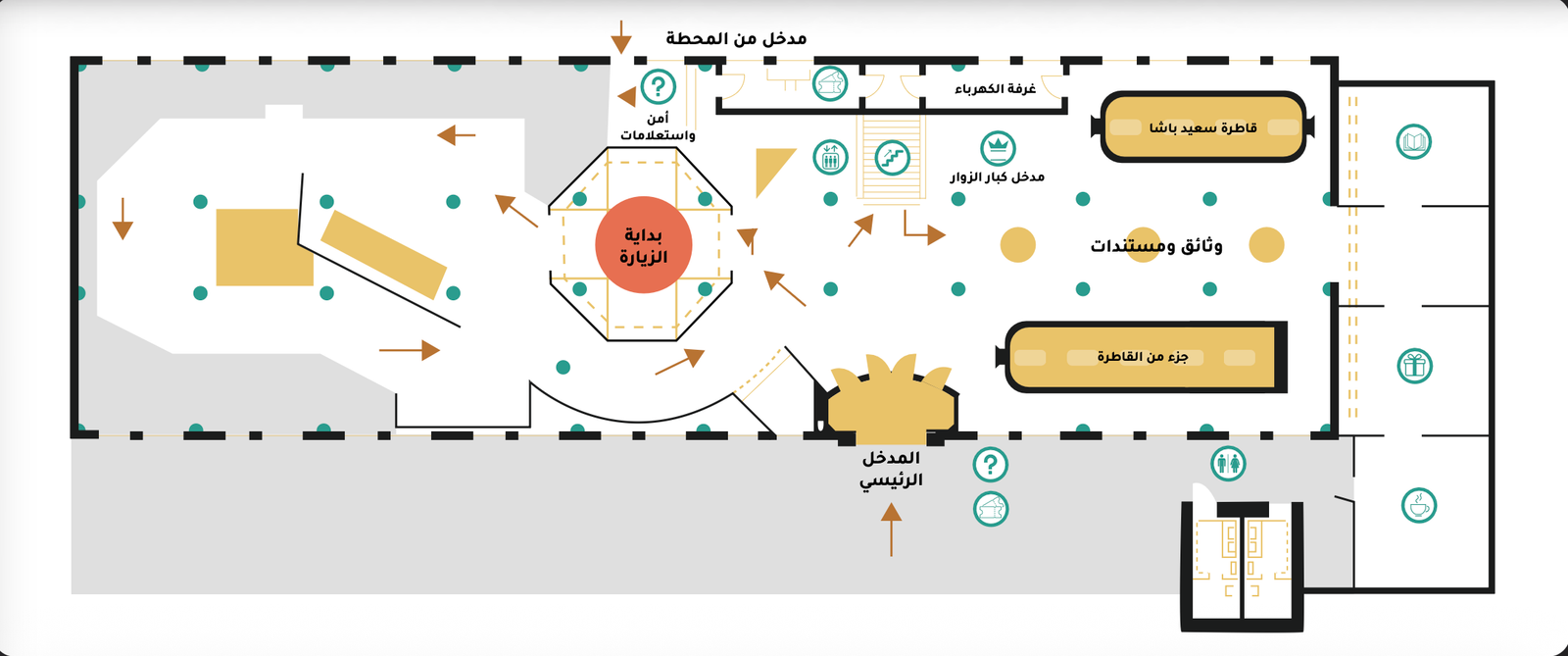
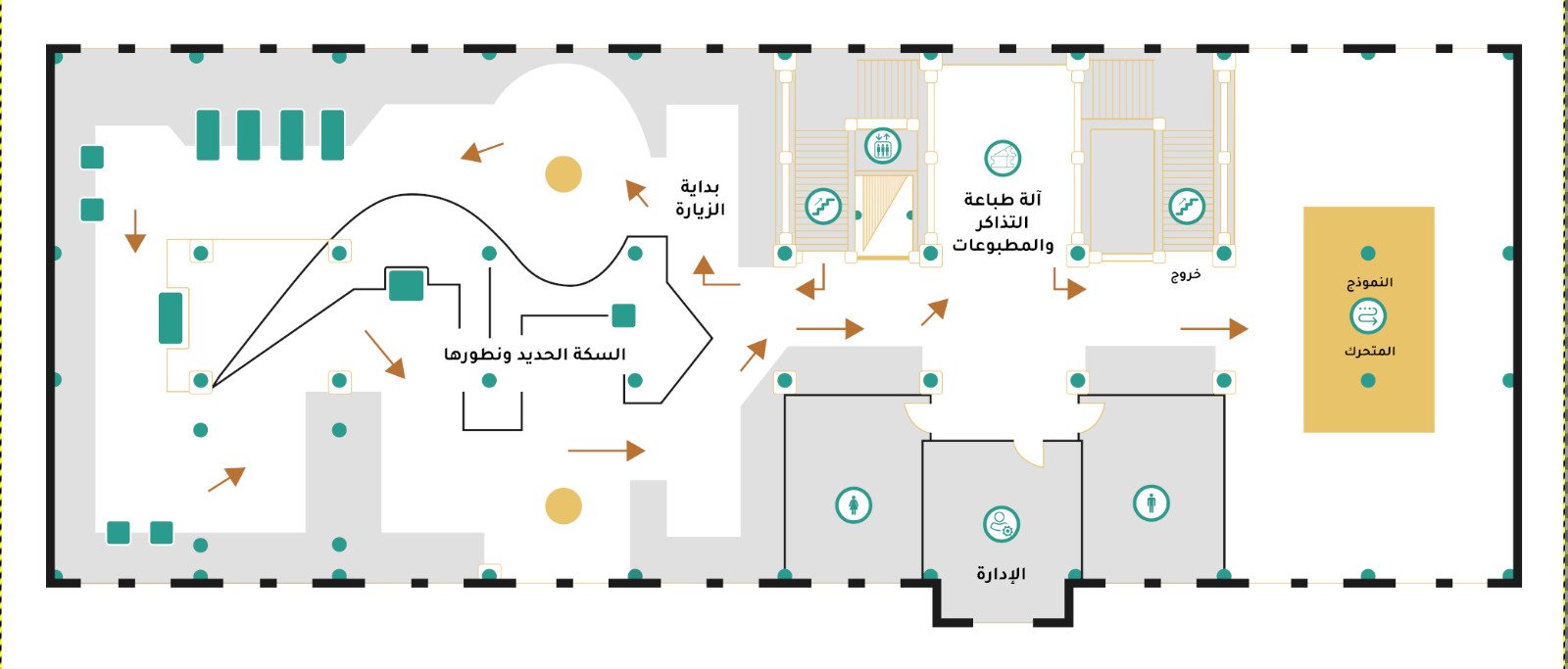
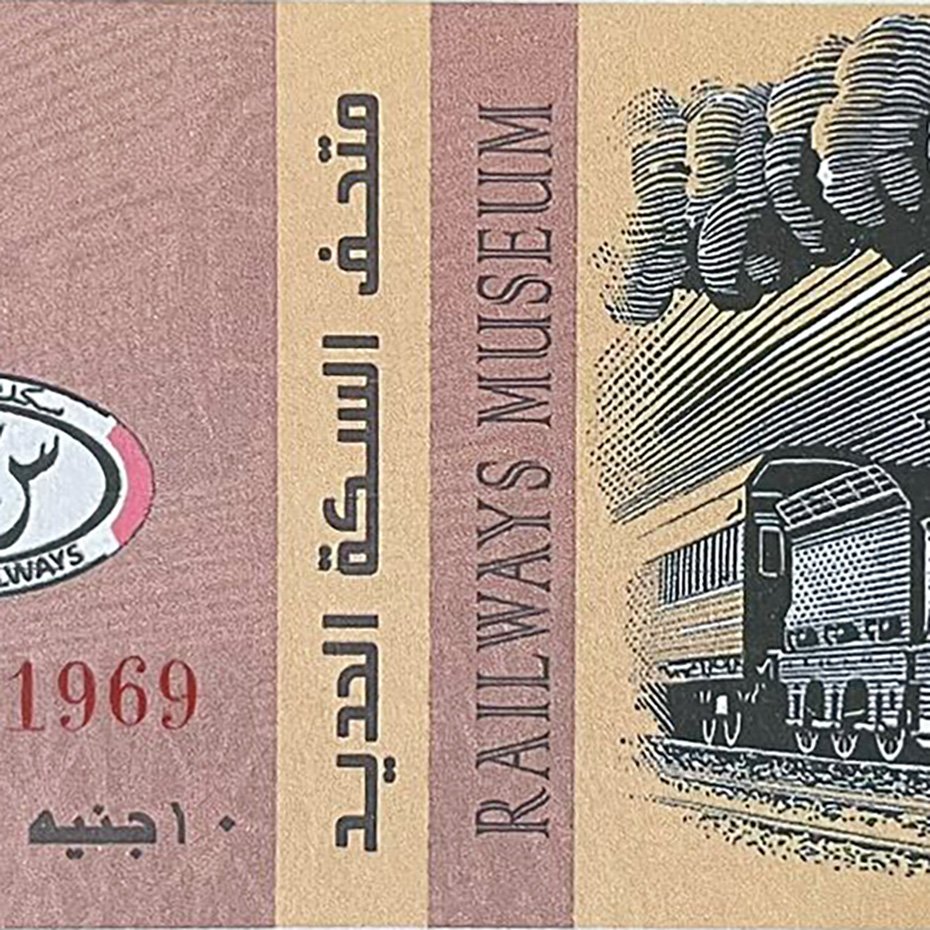
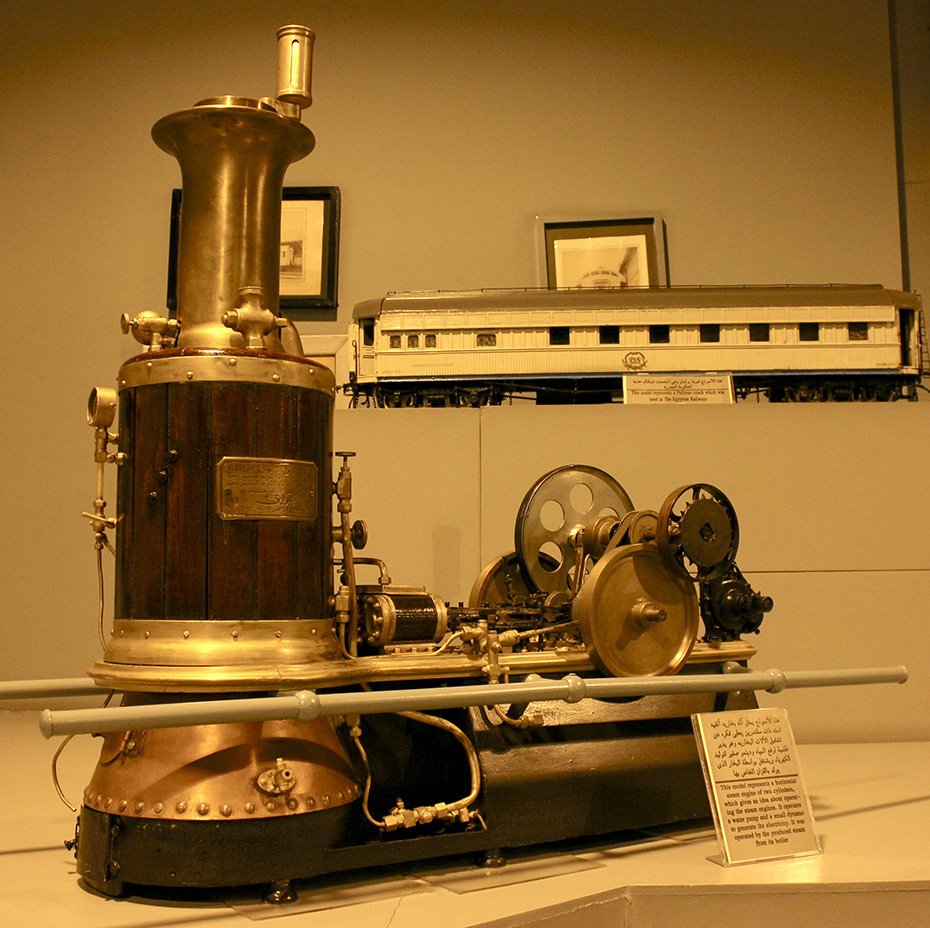
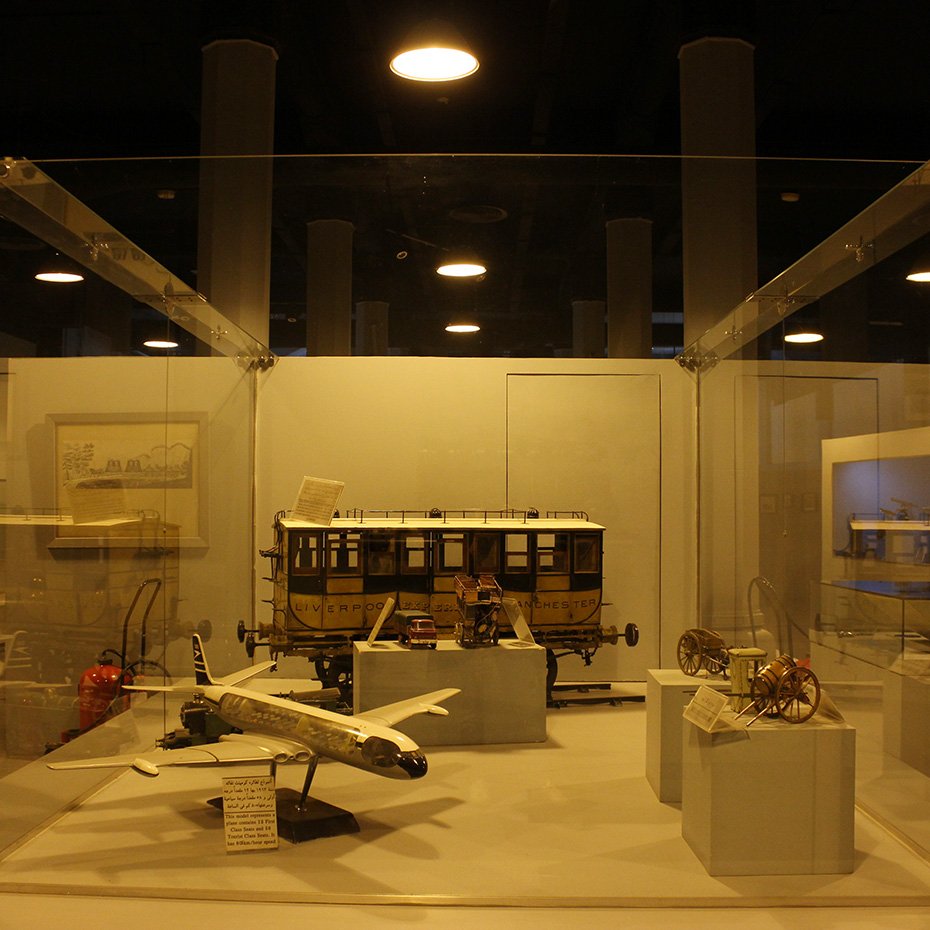
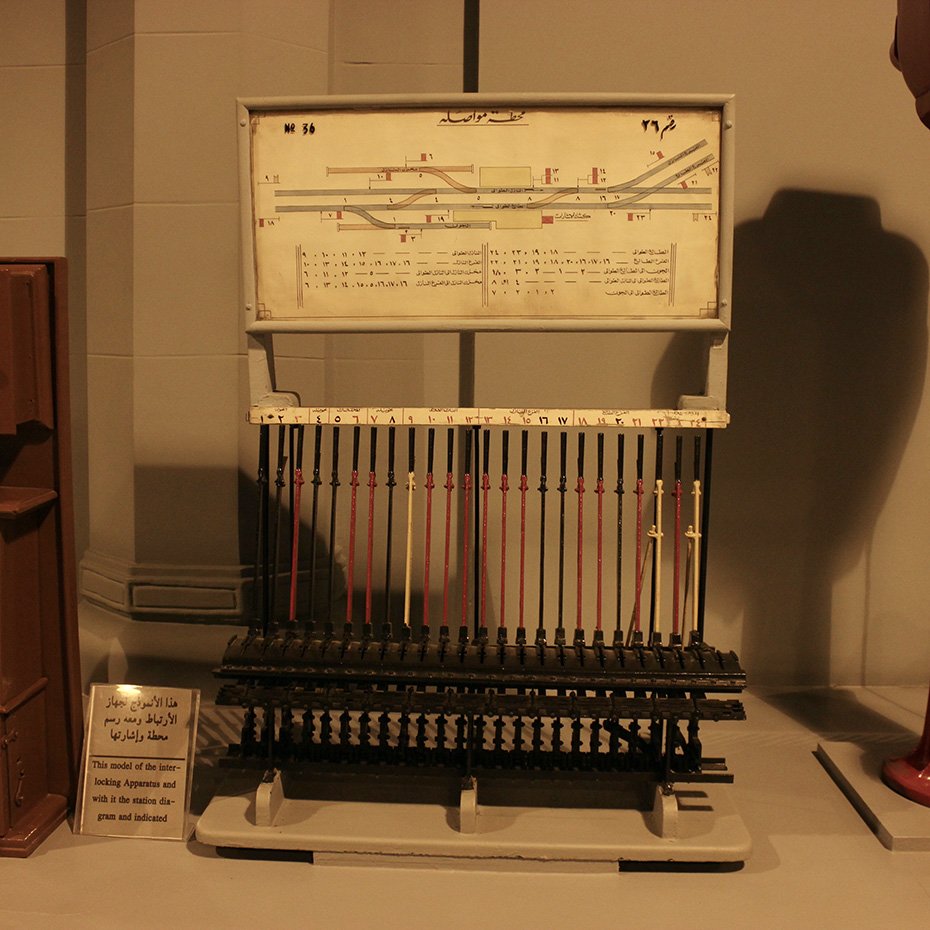
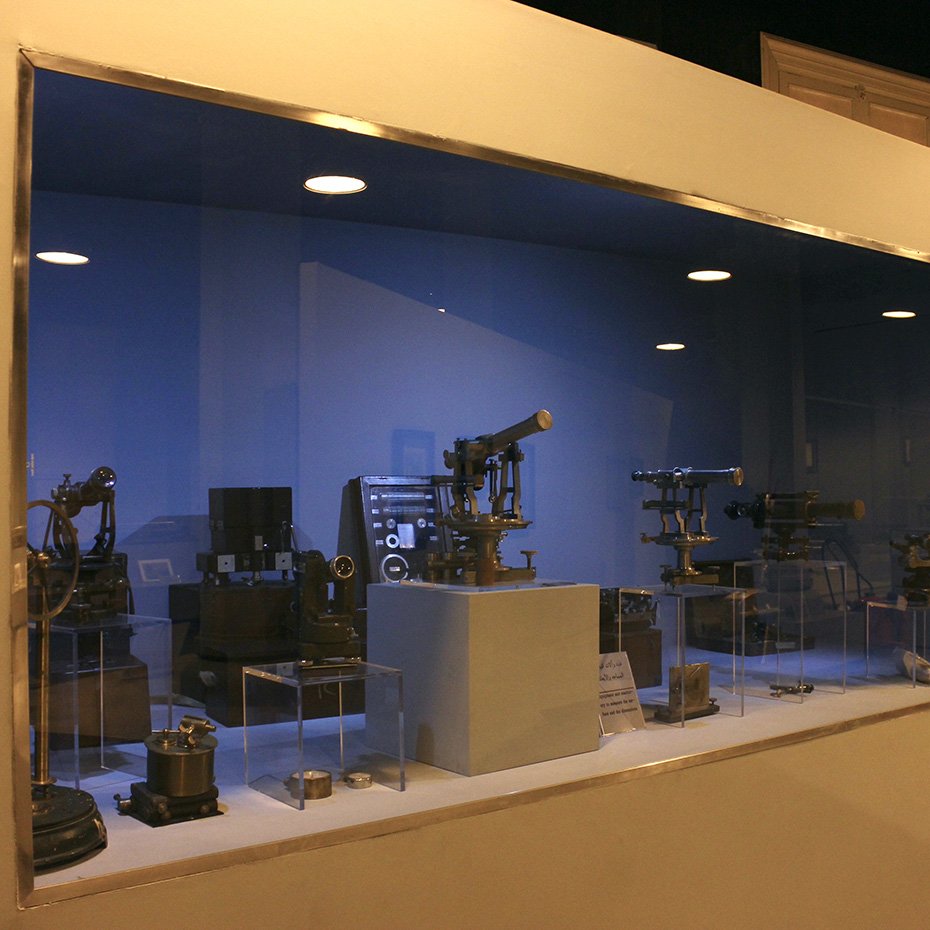
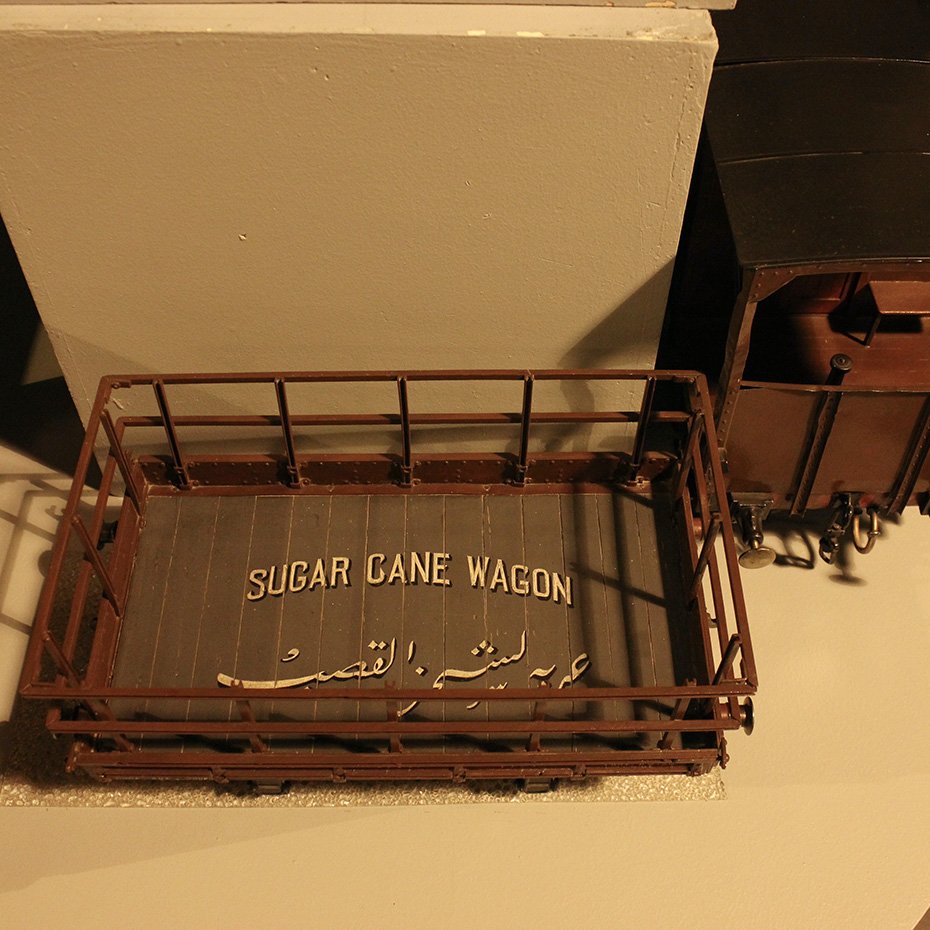
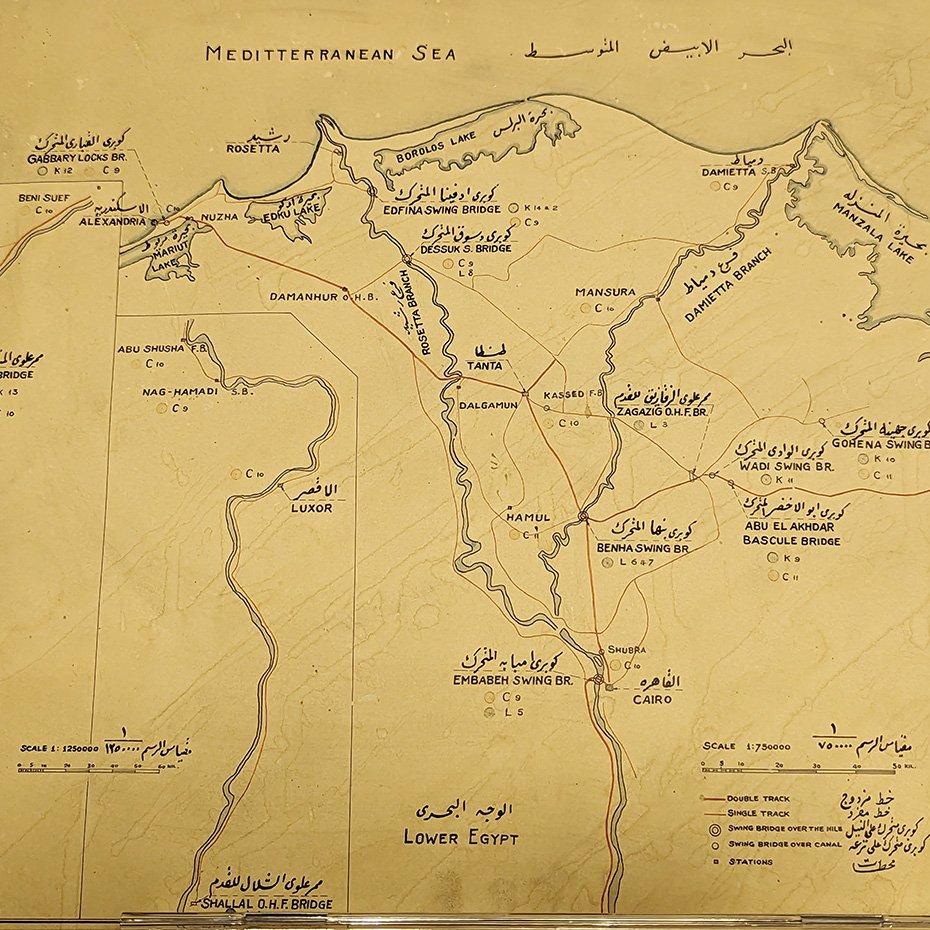
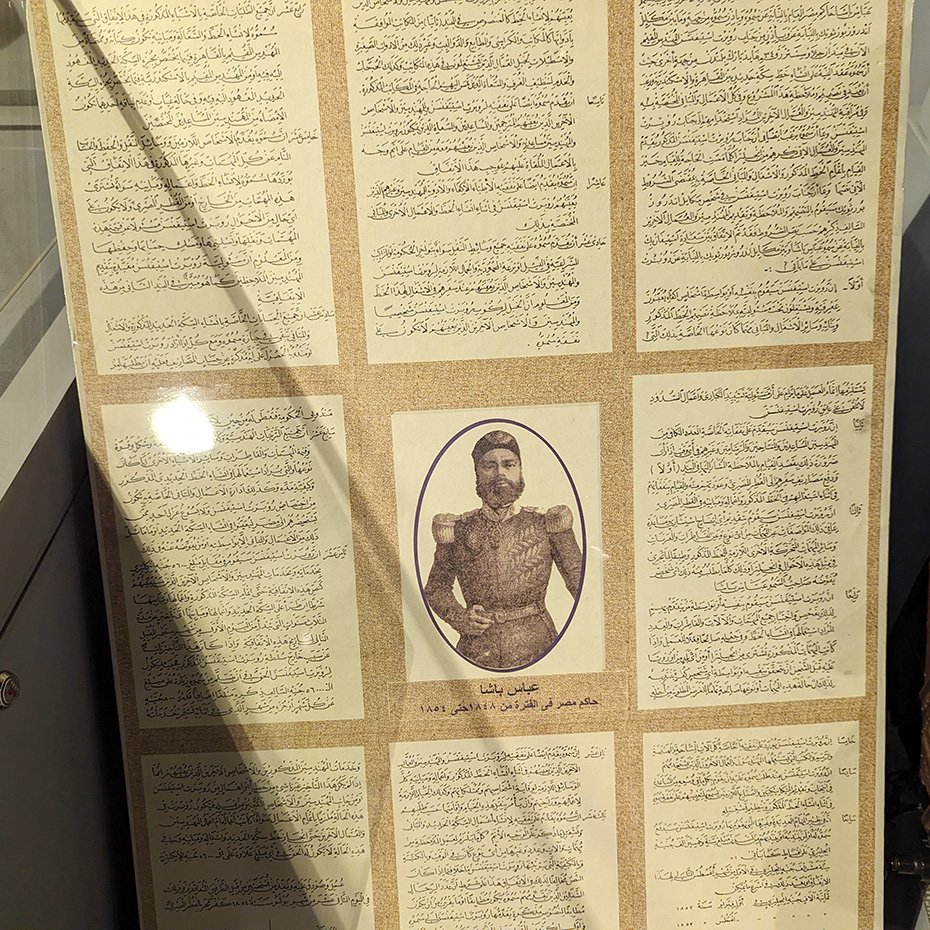
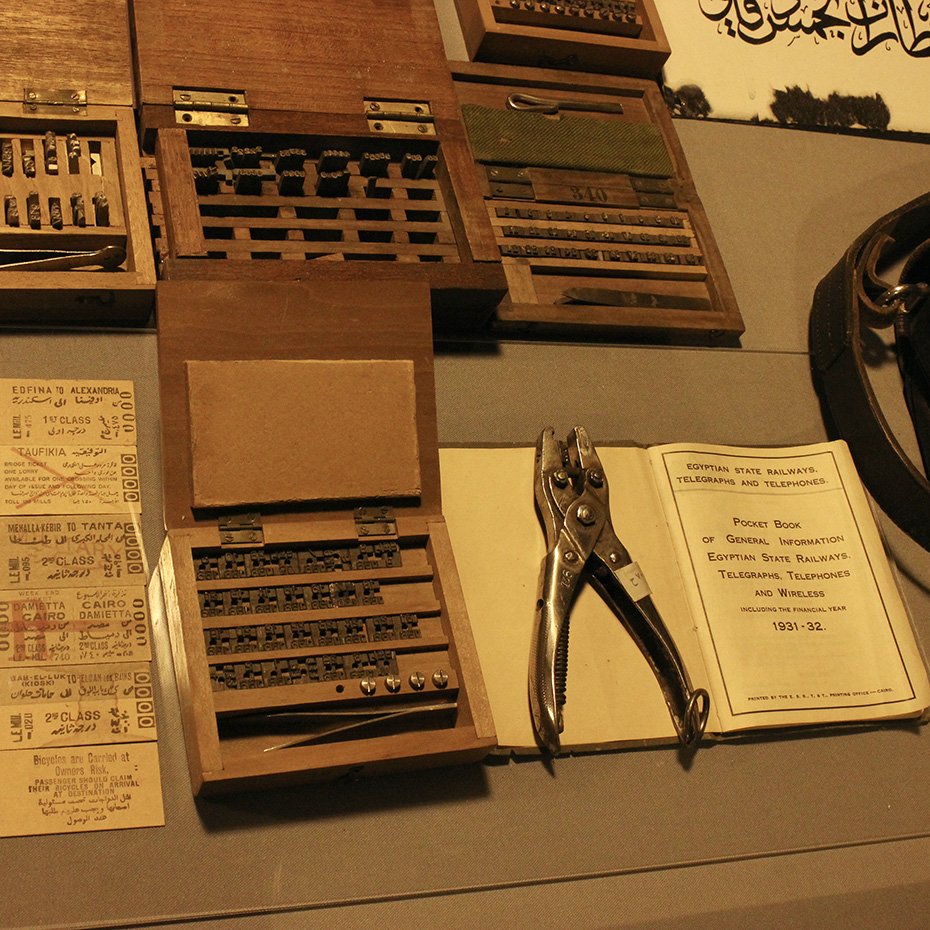
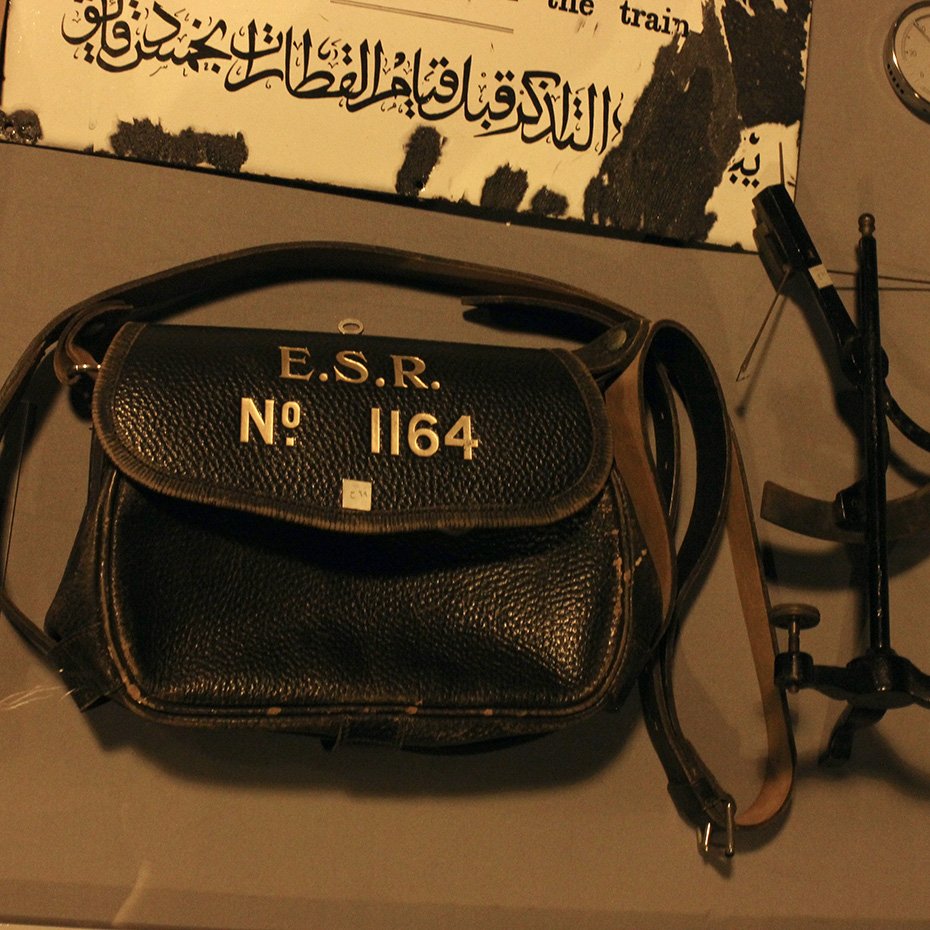
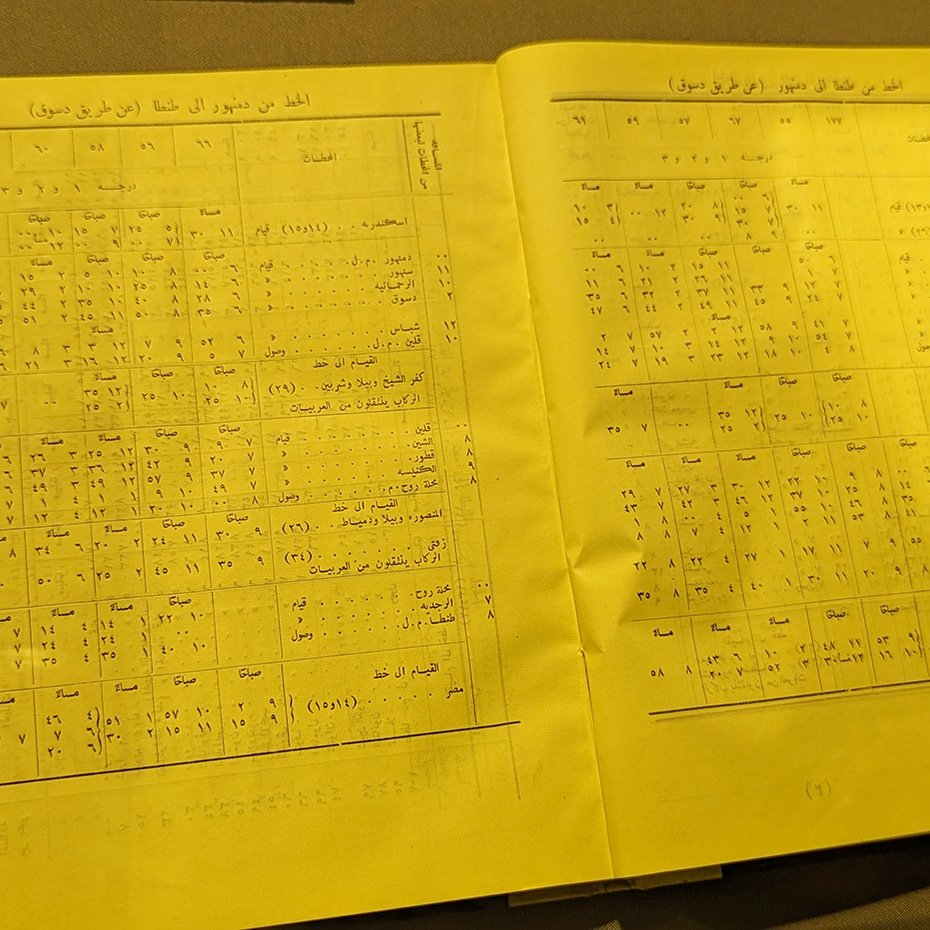
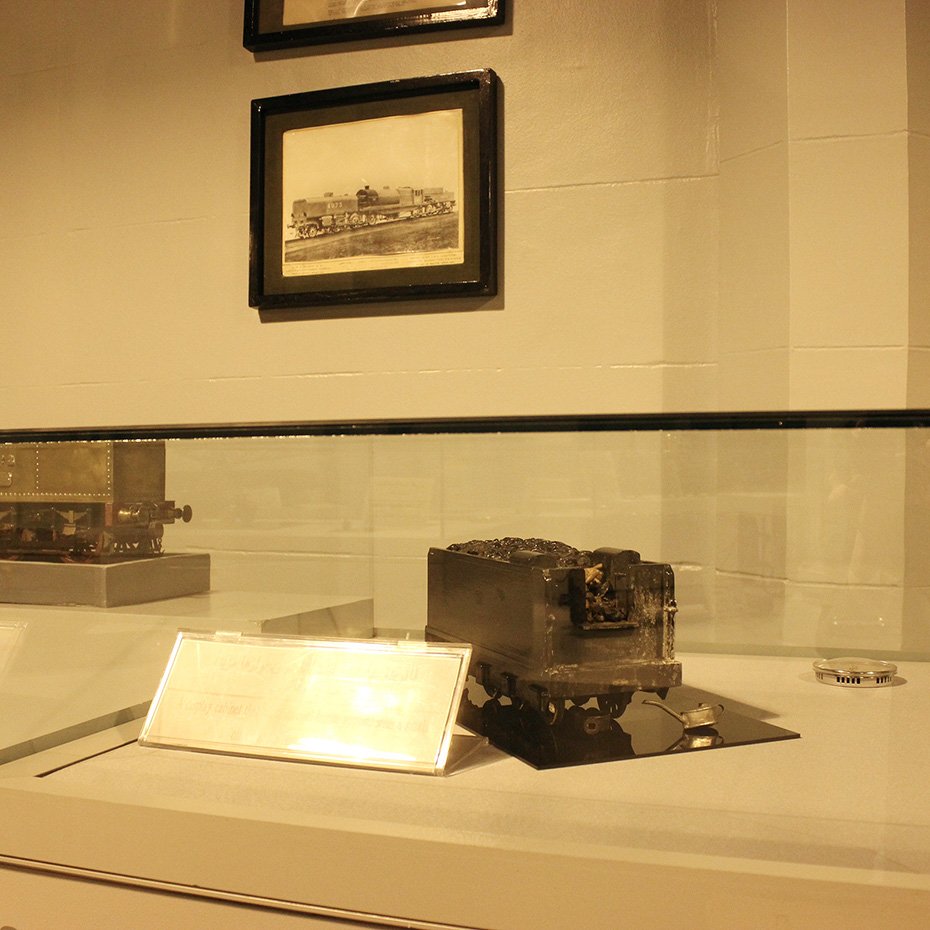
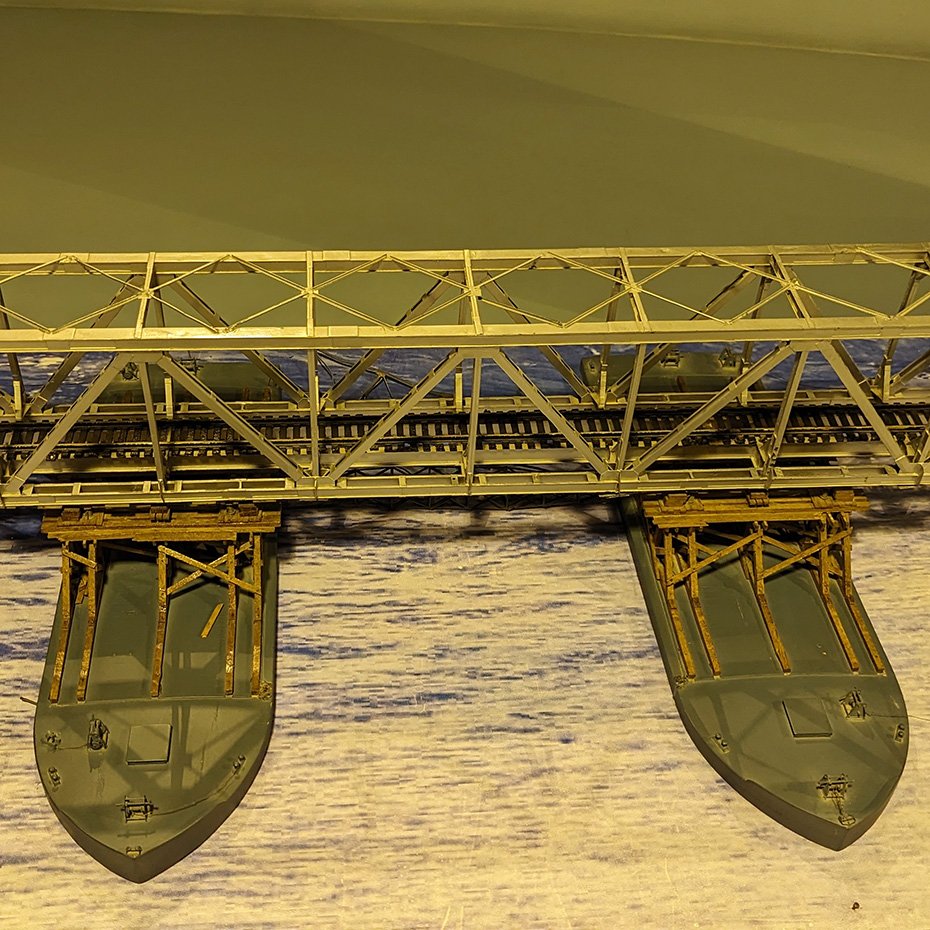
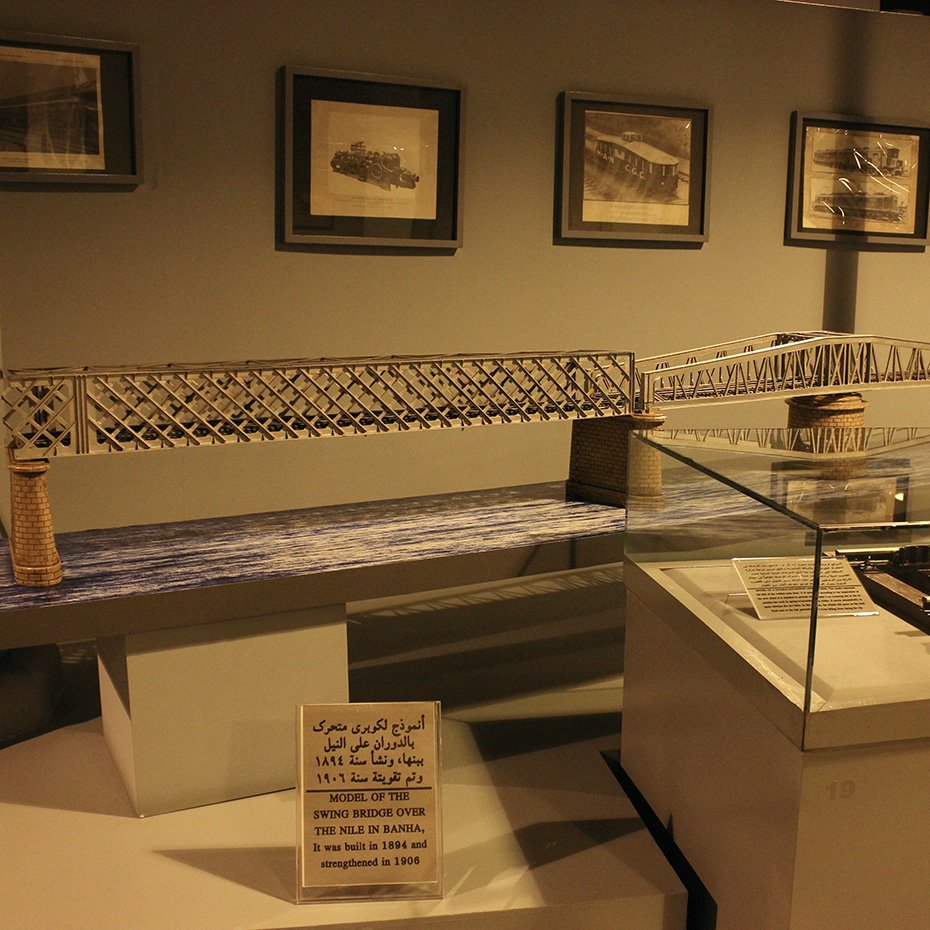
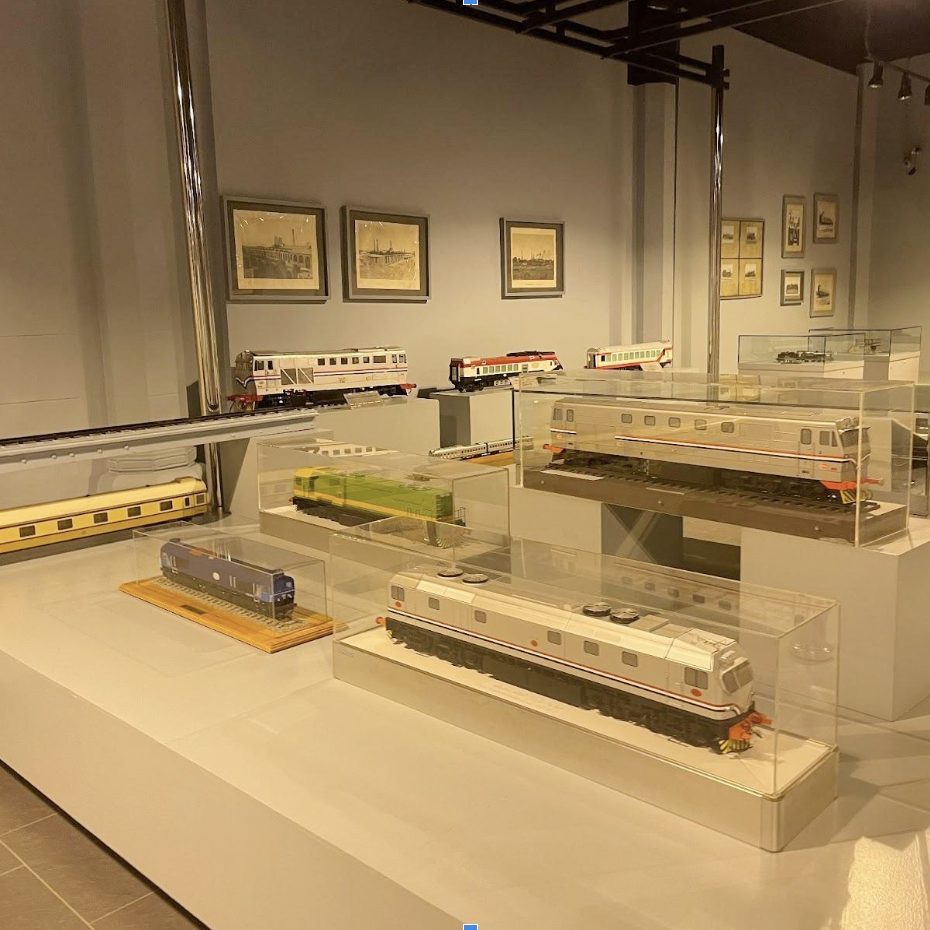
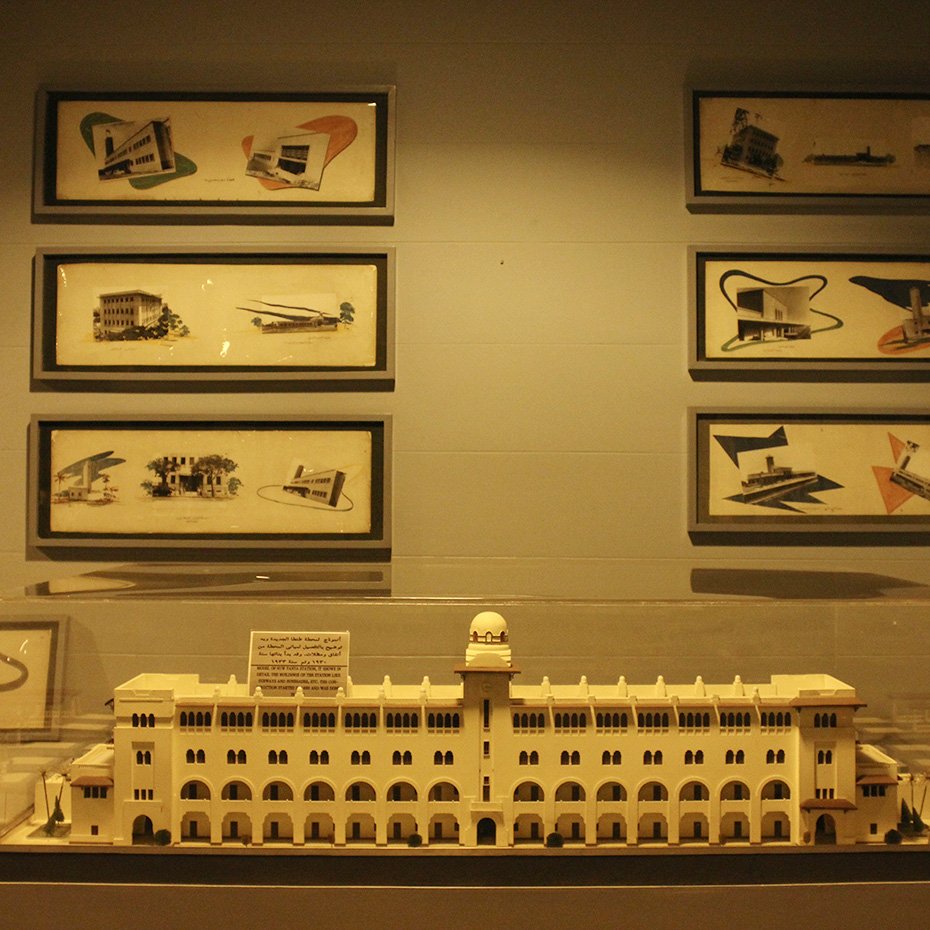
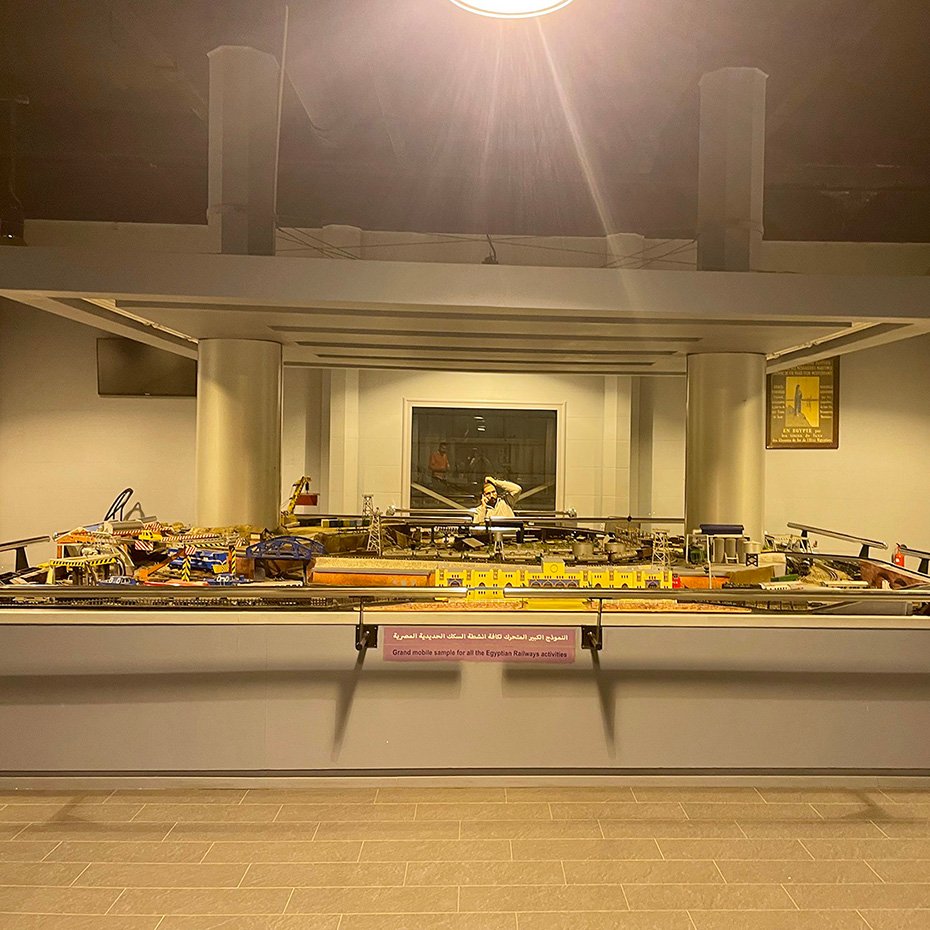
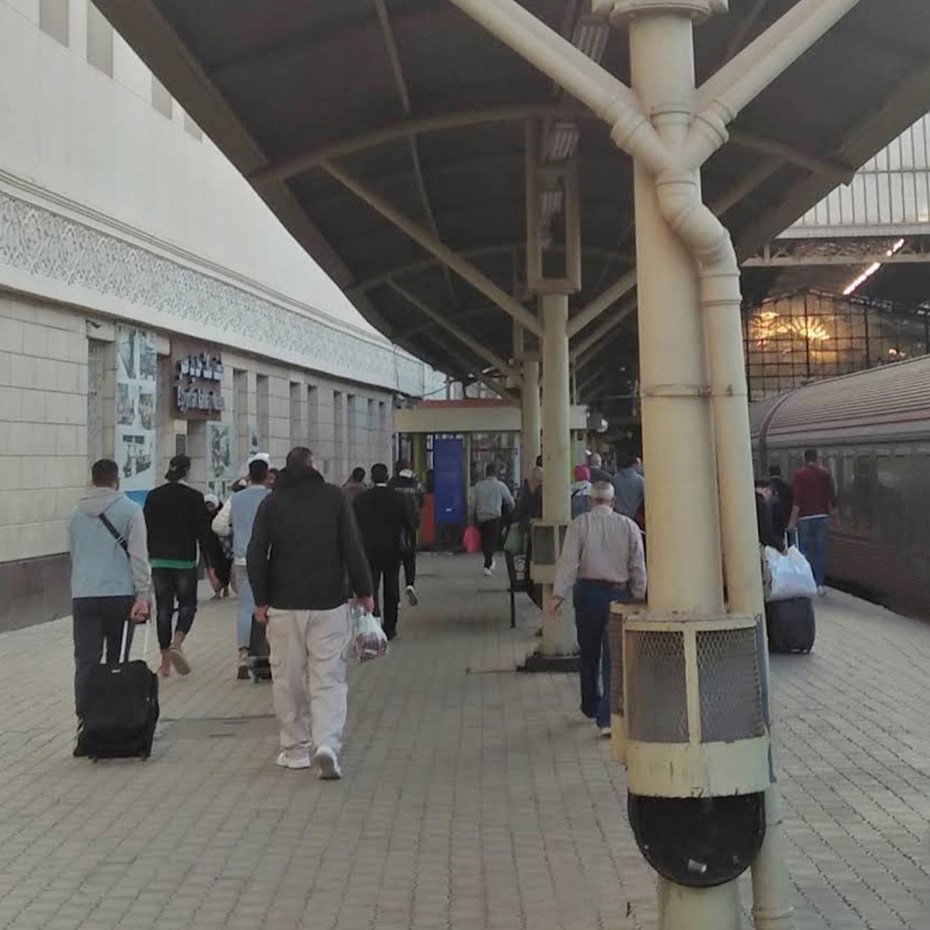
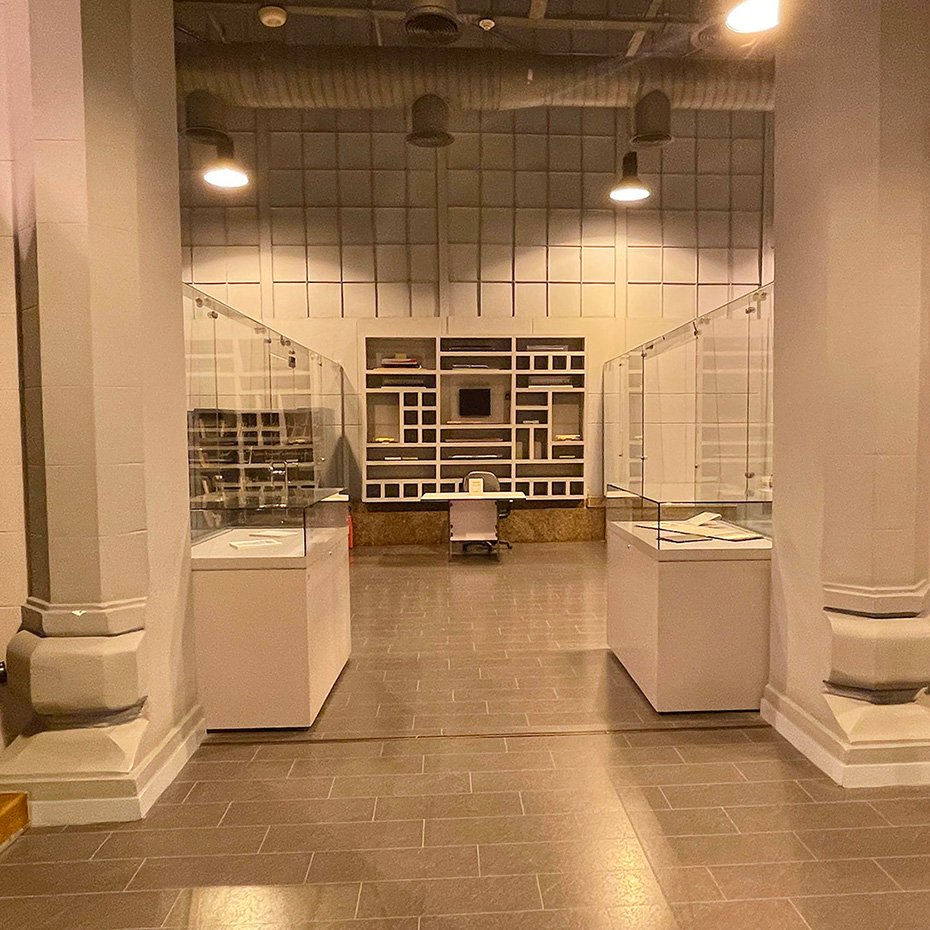
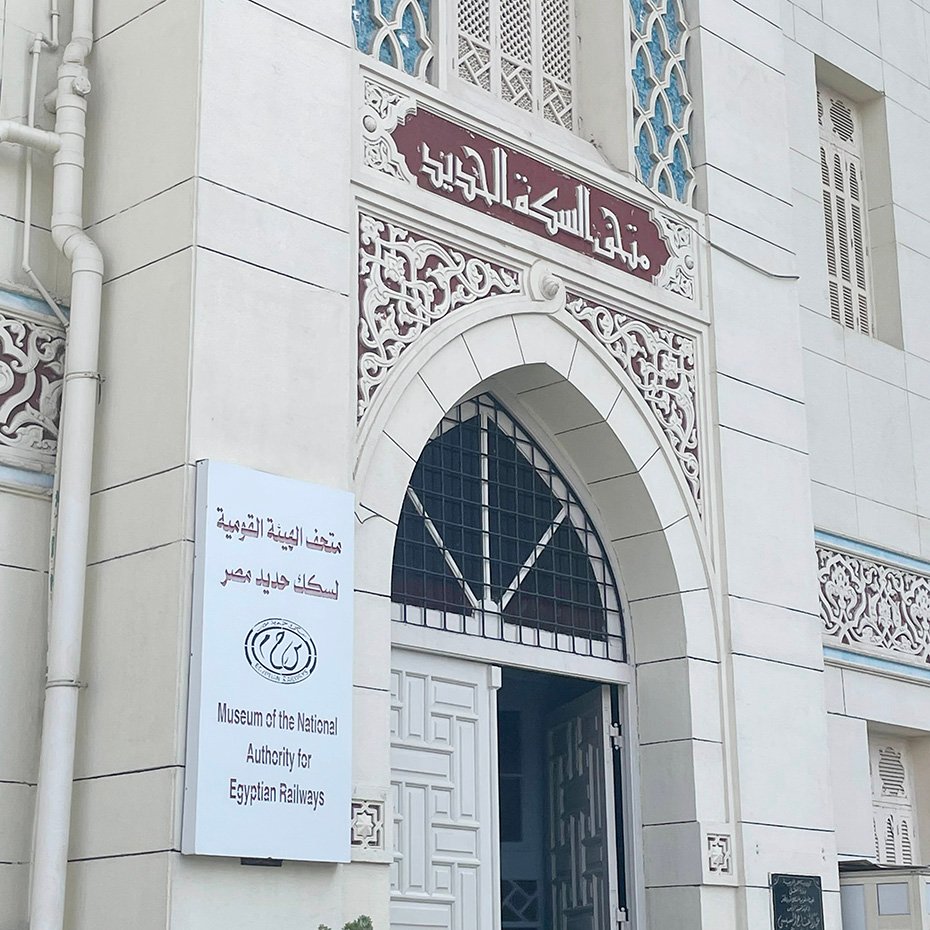
The Egyptian Railway Museum, established in 1933 by King Fuad I to coincide with Cairo’s hosting of the 12th International Railway Congress, was created to showcase the development of transport and communication in Egypt. Located at Ramses Station, it features over 600 models and exhibits documenting the history of trains, telegraphs, and telephones. After its renovation and reopening in 2016, it now includes a rich library of historical, technical, and statistical materials—an invaluable resource for researchers and enthusiasts of Egypt’s railway heritage.

The Egyptian Railway Museum
The Egyptian Railway Museum, established in 1933 by King Fuad I to coincide with Cairo’s hosting of the 12th International Railway Congress, was created to showcase the development of transport and communication in Egypt. Located at Ramses Station, it features over 600 models and exhibits documenting the history of trains, telegraphs, and telephones. After its renovation and reopening in 2016, it now includes a rich library of historical, technical, and statistical materials—an invaluable resource for researchers and enthusiasts of Egypt’s railway heritage.
If you want to dig more, this blog offers deeper insights and multidisciplinary reflections on the same tales. Through research, context, and personal perspectives, it invites you to explore how science, technology, and society connect—revealing the layers behind the stories told in our audio narratives